How to read a tequila label
Everything that actually matters about a bottle is printed on it — the NOM number, the agave percentage, and the region. Most people just never learned to read it.
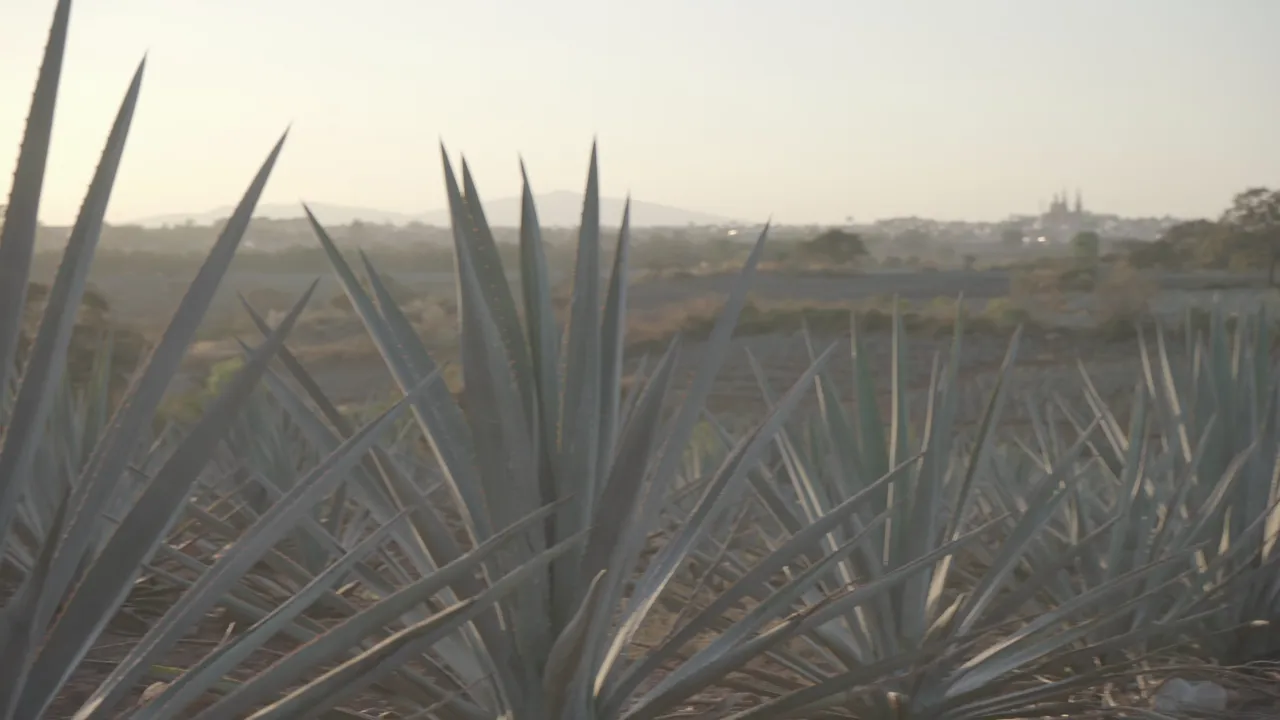
Start with the NOM number, agave percentage, region and class. Together they tell you who made it, what it is made from, and where the tequila was produced. Once you can read those details, marketing stops being able to fool you.
1. The NOM number
Every bottle of real tequila carries a four-digit NOM number, usually small, often on the back. It identifies the distillery that actually made the liquid — not the brand on the front. One distillery can produce dozens of labels, so the NOM is how you tell whether two bottles came from the same place. It is also how you research a maker: look up the NOM and you can see who else they distill for and what their reputation is. Siempre is NOM 1414, the Vivanco family’s distillery in Arandas.
2. The agave percentage
Look for “100% agave” or “100% de agave.” If it is not there, the bottle is a “mixto” — legally up to 49% of its fermentable sugars can come from cane or corn sugar instead of agave. Mixto is not always bad, but it is a different, cheaper product. If the label is silent on agave percentage, assume mixto. Real, single-source tequila says so plainly.
3. The region and the class
Tequila can legally come from five Mexican states, but the highlands of Jalisco — Los Altos — are known for sweeter, fruitier agave grown in iron-rich red clay, while the lowland valley around the town of Tequila tends to give earthier, more herbal, peppery agave. Neither is better; they are different starting points, and knowing which you are drinking explains a lot about why two “100% agave blancos” can taste nothing alike.
Then read the class: blanco/plata (unaged, the clearest look at the agave), reposado (rested in oak two to twelve months), añejo (one to three years), extra añejo (over three). More wood is not better, just different — barrel time trades agave clarity for vanilla, spice, and color, and a great blanco has nowhere to hide. If a young, pale spirit somehow tastes deeply oaky, circle back to point three and ask what is doing the talking.
Putting it together
Flip the bottle. Find the NOM, confirm 100% agave, check the region and class. Thirty seconds, and you know more than the front label wanted to tell you. For the record, ours reads: NOM 1414, 100% agave, Los Altos de Jalisco, 40% alc/vol — and if you want to know what the label cannot tell you, we distill to 46% and proof down with deep well water. Same facts on the Legend and every bottle's own page, because we would rather you check than take our word for it.
A label is a paper trail. Now you can follow it.